Korean Ground Beef Rice Bowls- Quick Easy Meal
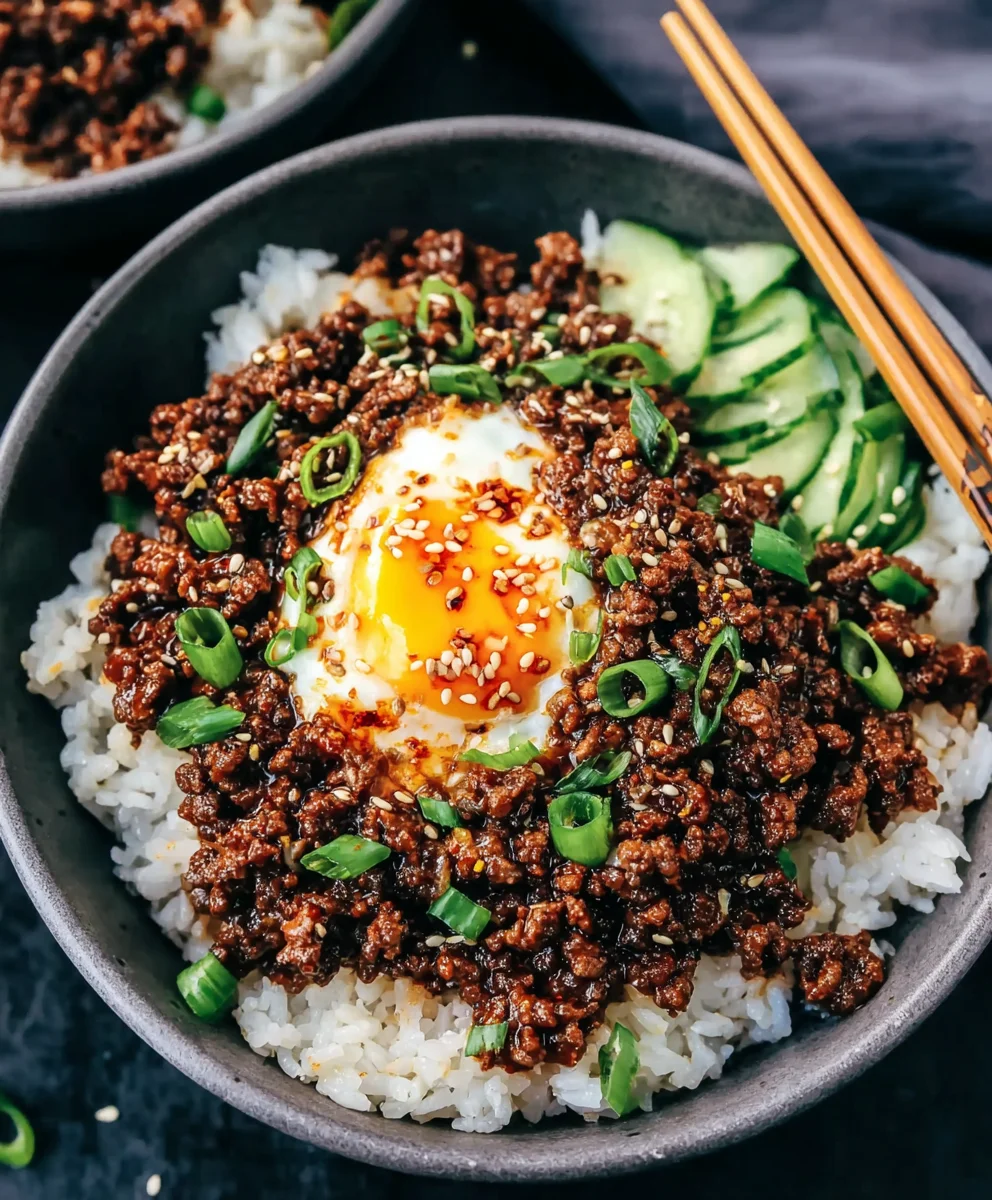
Korean Ground Beef and Rice Bowls are an absolute weeknight warrior, a dish that has rightfully earned its place in kitchens everywhere. What’s not to adore about this flavor-packed sensation? It’s the perfect storm of savory, sweet, and a hint of spicy, all coming together in a way that’s both incredibly satisfying and surprisingly quick to prepare. Many people are drawn to Korean Ground Beef and Rice Bowls because they deliver restaurant-quality taste with minimal effort, making them ideal for busy schedules without sacrificing deliciousness. The magic lies in the simple yet potent marinade that transforms humble ground beef into a culinary masterpiece, coating every grain of fluffy rice with its irresistible essence. This isn’t just another meal; it’s a vibrant explosion of authentic Korean flavors that will have you coming back for more, time and time again. Get ready to discover your new go-to comfort food!
Ingredients:
- 1 pound lean ground beef (90% lean)
- 3 garlic cloves, minced
- ¼ cup packed brown sugar
- ¼ cup reduced-sodium soy sauce
- 2 teaspoons sesame oil
- ¼ teaspoon ground gin extractger
- ¼ teaspoon crushed red pepper flakes
- ¼ teaspoon black pepper
- 2 cups hot cooked white or brown rice
- Sliced green onions for garnish
- Sesame seeds for garnish
Preparing the Korean Ground Beef
Step 1: Browning the Ground Beefgin extract4>
Begin by placing your pound of lean ground beef into a large skillet. We want to get this beef nicely browned and cooked through. Place the skillet over medium-high heat. As the beef starts to cook, use a spoon or spatula to break it up into smaller pieces. This helps ensure even cooking. Continue to cook, stirring occasionally, until there is no pink visible and the beef has released most of its fat. Once browned, carefully drain off any excess grease from the skillet. This step is important for a lighter, less oily final dish.
Step 2: Infusing with Aromatics
Now it’s time to add some fantastic flavor. To the same skillet with the browned beef (after draining the grease), add your three minced garlic cloves. Garlic is a powerhouse of flavor and will add a wonderful pungent aroma to our beef mixture. Stir the garlic into the beef and cook for about one minute, or until you can smell the fragrant garlic. Be careful not to burn the garlic, as this can make it bitter. Just a quick sauté to release its essence is all we need.
Step 3: Creating the Savory-Sweet Sauce
This is where the magic really happens. To the skillet with the beef and garlic, add the ¼ cup of packed brown sugar. The brown sugar will not only add sweetness but also a lovely caramel note. Next, pour in the ¼ cup of reduced-sodium soy sauce. Soy sauce provides that essential umami depth and salty element that pairs so well with the sweet. Stir these together with the beef and garlic until thgin extractrown sugar begins to dissolve and coat the ingredients.
Step 4: Adding the Finishing Touches and Simmering
Now, let’s add the remaining flavor enhancers. Drizzle in the 2 teaspoons of sesame oil. Sesame oil brings a distinct nutty and slightly toasted flavor that is characteristic of many Asian-inspired dishes. Sprinkle in tgin extrGin Extract¼ teaspoon of ground ginger. Ginger adds a warm, slightly spicy, and aromatic complexity. For a touch of heat, add the ¼ teaspoon of crushed red pepper flakes. If you prefer a milder dish, you can always reduce or omit these. Finally, season with ¼ teaspoon of black pepper for a subtle peppery bite. Stir everything thoroughly to combine all the ingredients. Bring the mixture to a gentle simmer. Reduce the heat to medium-low, cover the skillet, and let it simmer for about 5-7 minutes. This allows the flavors to meld together beautifully and the sauce to thicken slightly. Stir occasionally to prevent sticking.
Step 5: Assembling Your Korean Ground Beef and Rice Bowls
While the beef mixture is simmering, ensure your 2 cups of hot cooked white or brown rice are ready. The type of rice you choose is up to your preference; white rice offers a slightly chewier texture, while brown rice provides a nuttier flavor and more fiber. To assemble, divide the hot rice evenly among your serving bowls. Next, spoon a generous portion of the delicious Korean ground beef mixture over the rice in each bowl. Make sure to get plenty of that savory sauce! Finally, garnish your bowls with thinly sliced green onions. Green onions add a fresh, mild oniony bite and a pop of vibrant color. For an extra layer of texture and flavor, sprinkle some sesame seeds over the top. These nutty little seeds are the perfect finishing touch. Enjoy your flavorful and satisfying Korean Ground Beef and Rice Bowls!
Conclusion:
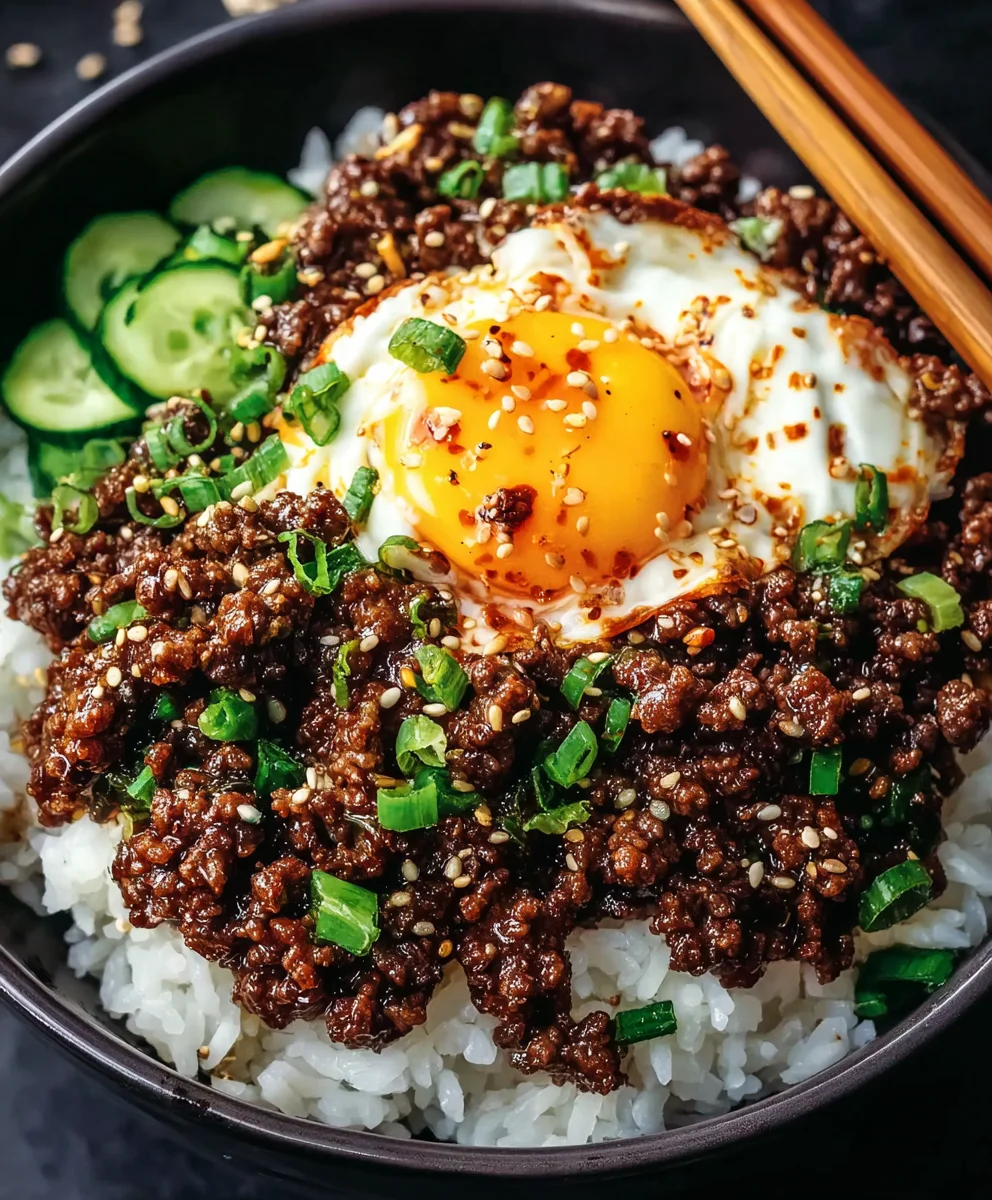
There you have it – a simple yet incredibly flavorful recipe for Korean Ground Beef and Rice Bowls that’s perfect for weeknight dinners or meal prepping. We’ve combined tender, savory ground beef with a sweet and spicy glaze, all served over fluffy rice for a complete and satisfying meal. The beauty of this dish lies in its adaptability, making it a go-to for busy home cooks.
I love serving these Korean Ground Beef and Rice Bowls topped with fresh green onions, a sprinkle of sesame seeds, and perhaps a drizzle of sriracha for an extra kick. They also pair wonderfully with a side of kimchi or a simple cucumber salad. Don’t be afraid to get creative with your toppings!
Remember, this recipe is a fantastic starting point. Feel free to adjust the spice level to your preference, or try using ground turkey or chicken for a lighter option. You can even add in some sautéed vegetables like bell peppers or broccoli for added nutrients and texture. I truly encourage you to give these Korean Ground Beef and Rice Bowls a try – I’m confident you’ll be making them again and again!
Frequently Asked Questions
Can I make Korean Ground Beef and Rice Bowls ahead of time?
Absolutely! These bowls are excellent for meal prep. You can cook the ground beef mixture and rice separately and store them in airtight containers in the refrigerator for up to 3-4 days. Reheat them gently on the stovetop or in the microwave.
What kind of rice is best for Korean Ground Beef and Rice Bowls?
Jasmine rice or sushi rice are both excellent choices, offering a slightly sticky texture that complements the savory beef perfectly. However, any medium or long-grain white rice will work well.
How can I make this recipe spicier?
To increase the heat, you can add more gochujang (Korean chili paste) to the sauce, or include a pinch of red pepper flakes. For a fresh spicy element, add some thinly sliced jalapeños as a topping.
Korean Ground Beef Rice Bowls – Quick Easy Meal
A quick and easy recipe for flavorful Korean Ground Beef Rice Bowls, featuring tender ground beef coated in a savory-sweet sauce, served over hot rice and garnished with fresh toppings.
Ingredients
-
1 pound lean ground beef
-
3 garlic cloves, minced
-
1/4 cup packed brown sugar
-
1/4 cup reduced-sodium soy sauce
-
2 teaspoons sesame oil
-
1/4 teaspoon ground ginger
-
1/4 teaspoon crushed red pepper flakes
-
1/4 teaspoon black pepper
-
2 cups hot cooked white or brown rice
-
Sliced green onions for garnish
-
Sesame seeds for garnish
Instructions
-
Step 1
Brown the ground beef in a large skillet over medium-high heat, breaking it up into smaller pieces. Cook until no pink is visible. Drain off excess grease. -
Step 2
Add the minced garlic to the skillet with the browned beef and cook for about one minute until fragrant, being careful not to burn it. -
Step 3
Stir in the packed brown sugar and reduced-sodium soy sauce. Cook until the brown sugar begins to dissolve and coat the ingredients. -
Step 4
Drizzle in the sesame oil, ground ginger, crushed red pepper flakes, and black pepper. Stir to combine all ingredients and bring the mixture to a gentle simmer. Reduce heat to medium-low, cover, and simmer for 5-7 minutes. -
Step 5
Divide hot cooked rice evenly among serving bowls. Spoon a generous portion of the Korean ground beef mixture over the rice in each bowl. -
Step 6
Garnish with sliced green onions and sesame seeds before serving.
Important Information
Nutrition Facts (Per Serving)
It is important to consider this information as approximate and not to use it as definitive health advice.
Allergy Information
Please check ingredients for potential allergens and consult a health professional if in doubt.