Jamie Oliver Self Saucing Lemon Pudding Recipe
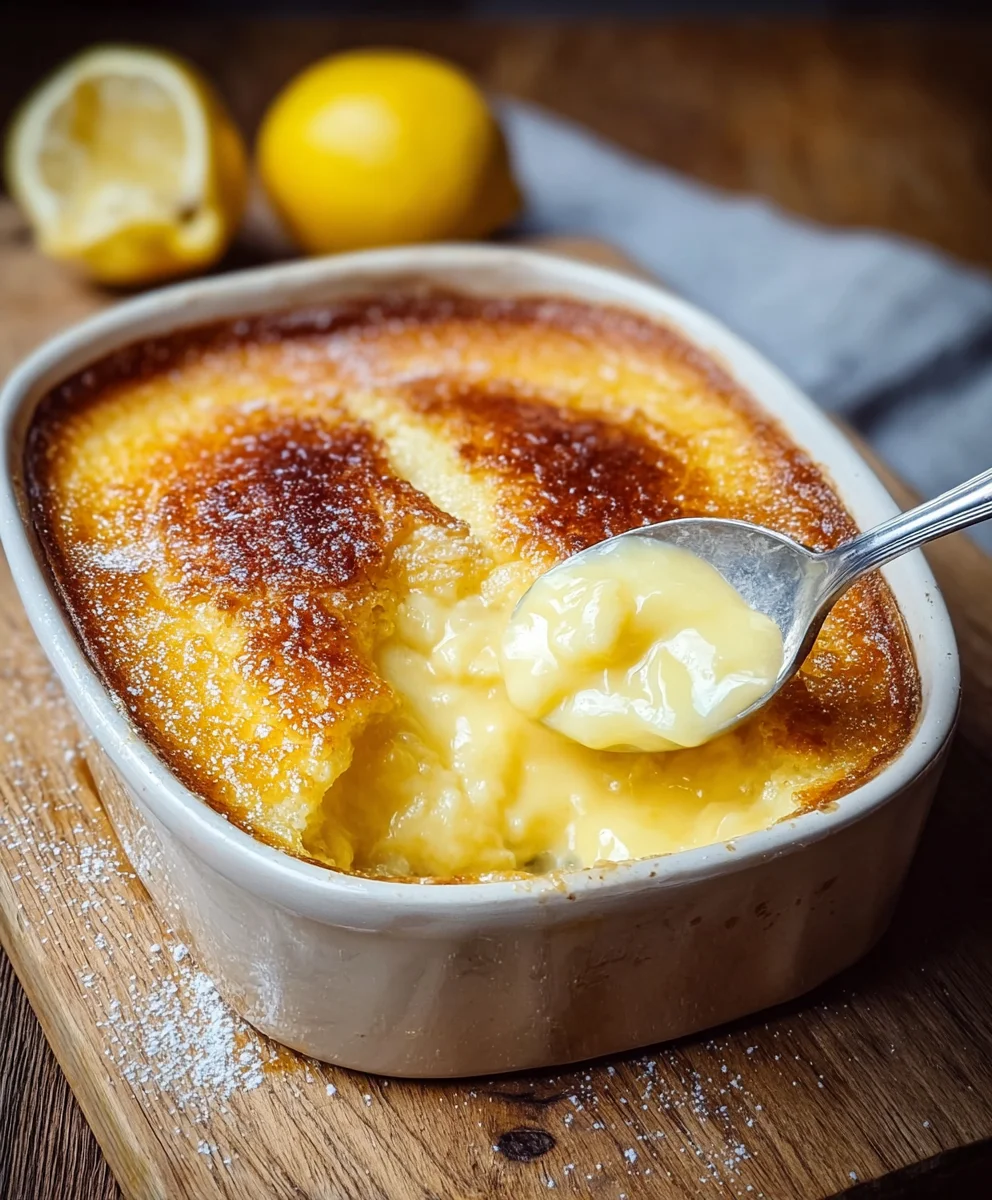
Jamie Oliver Self Saucing Lemon Pudding is more than just a dessert; it’s a warm, hug-in-a-bowl experience that captivates the senses. Have you ever craved a dessert that’s both incredibly comforting and elegantly impressive, all without requiring hours of painstaking effort? This is that dessert. The magic of a self-saucing pudding lies in its ingenious transformation: a simple batter bakes into a cake-like top, while a luscious, velvety sauce miraculously appears at the bottom. And when you infuse it with the vibrant, zesty tang of lemon, you create something truly spectacular. People adore this particular Jamie Oliver Self Saucing Lemon Pudding for its delightful balance of sweet and tart, its wonderfully moist texture, and the sheer joy of watching that divine sauce swirl into existence. It’s the ultimate crowd-pleaser, perfect for special occasions or simply as a delightful treat to brighten any evening.
Ingredients:
- 55 g (1/4 cup) unsalted butter, plus extra for greasing the pudding dish
- 115 g (1/2 cup) caster sugar, plus a little extra for sprinkling
- 1 large lemon, zest finely grated and juice squeezed (you’ll need about 3 tablespoons of juice)
- 2 large free-range eggs, at room temperature
- 55 g (1/2 cup) self-raising flour
- 285 ml (1 1/4 cups) whole milk, at room temperature
Getting Started: The Pudding Base
Preheating and Preparation
The first crucial step for any successful baking endeavor is to preheat your oven and prepare your pudding dish. This ensures even cooking and prevents sticking. Preheat your oven to 180°C (160°C fan/350°F/Gas Mark 4). Take your pudding dish, which can be a standard ovenproof dish, a few individual ramekins, or even a small, shallow baking tin, and generously grease it all over with a little extra butter. Don’t be shy with the butter here; it’s your insurance policy against a pudding that refuses to budge. Once greased, lightly dust the inside of the dish with a little caster sugar, tilting and tapping to ensure an even coating. This extra sprinkle of sugar will contribute to a lovely caramelized crust on the finished pudding.
The Creamy Base Mixture
Now, let’s get cracking on the pudding batter itself. In a medium-sized mixing bowl, cream together the 55g of softened butter and 115g of caster sugar. You can use an electric mixer for this, or a good old-fashioned wooden spoon and some elbow grease. Beat them together until the mixture is light, pnon-alcoholic ale, and fluffy. This process incorporates air, which is essential for a light and airy pudding texture. Next, add the finely grated zest of the lemon. Make sure you’re only grating the yellow part of the lemon skin and avoiding the bitter white pith underneath, as this can impart an unpleasant flavor. Stir this zest into the butter and sugar mixture until it’s well combined.
Adding the Wet Ingredients
Incorporating the Eggs
We’re going to add the eggs one at a time to the butter and sugar mixture. Crack one egg into the bowl and beat it thoroughly until it’s fully incorporated and the mixture looks smooth again. Scrape down the sides of the bowl with a spatula to make sure everything is getting mixed in. Then, add the second egg and repeat the process. Beat it in until the batter is completely homogenous and glossy. If at any point the mixture looks like it’s starting to curdle, don’t worry too much. It can sometimes happen when adding eggs to fat. Just keep mixing, and it should come back together.
Adding the Flour and Lemon Juice
Now it’s time to introduce the dry ingredient. Sift the 55g of self-raising flour directly over the wet mixture. Sifting the flour helps to aerate it and prevent lumps from forming in the batter, leading to a lighter pudding. Gently fold the flour into the wet ingredients using a spatula or a large metal spoon. Don’t overmix at this stage; just fold until there are no dry patches of flour visible. Overmixing can develop the gluten in the flour too much, resulting in a tough pudding. Finally, stir in the juice of the lemon. You should have about 3 tablespoons of fresh lemon juice. Stir it in gently until it’s just combined. The batter will be quite thick at this point.
Assembling and Baking the Pudding
Adding the Milk and Final Mix
The final step in creating the pudding batter is to add the milk. Pour the 285ml of whole milk into the bowl with the batter. Now, gently stir everything together until you have a smooth, pourable batter. It will be much thinner than it was before adding the milk. Again, be careful not to overmix. You’re aiming for a consistency that’s like thick cream or pancake batter – easily pourable but not watery. This is the magical moment where the self-saucing element begin extracts to form. The batter will rise and cook, while the sauce will be created underneath.
Baking the Jamie Oliver Self Saucing Lemon Pudding
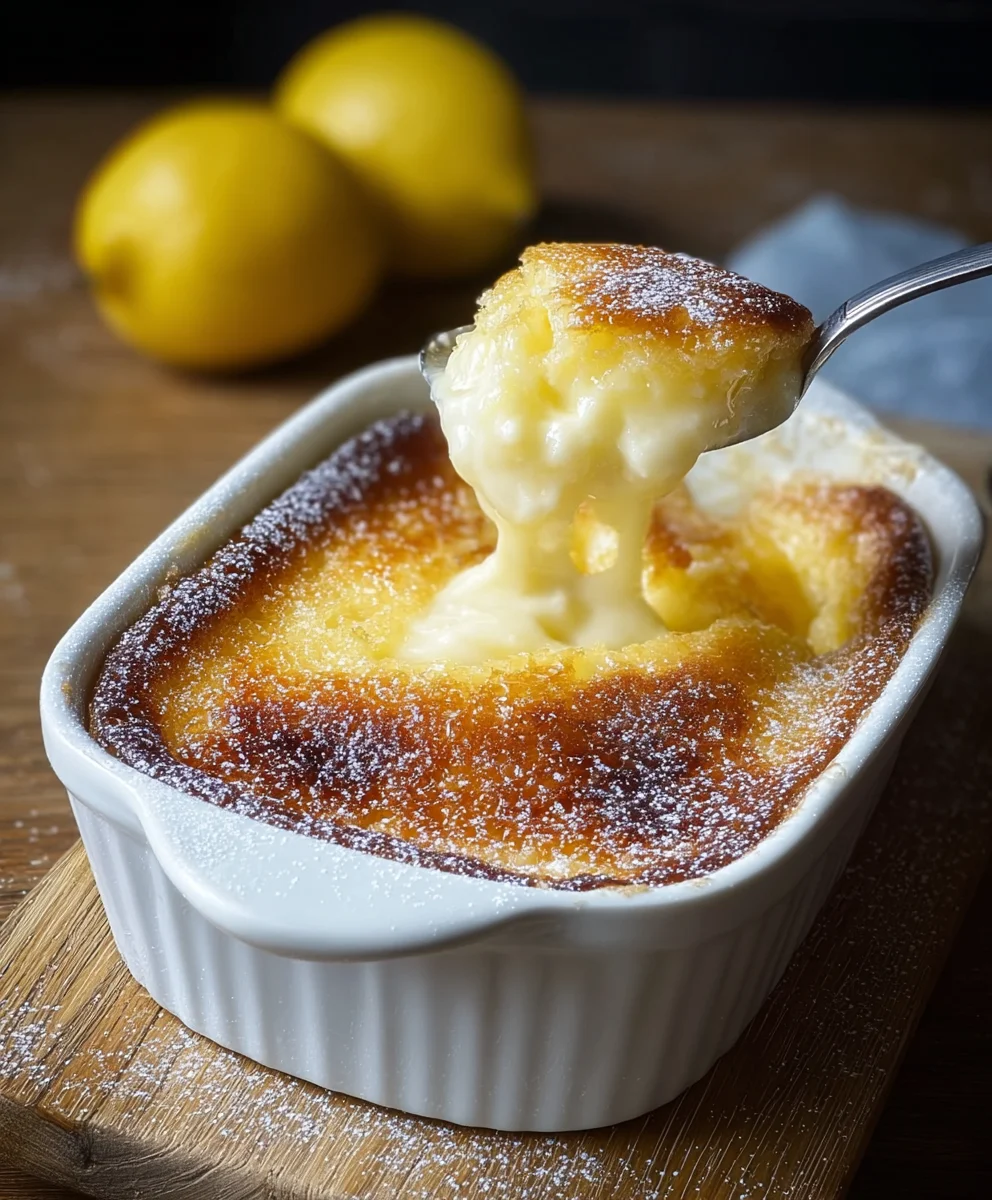
Pour the prepared batter evenly into your greased and sugared pudding dish. You can do this directly from the bowl or use a jug for easier pouring. Place the pudding dish onto a baking tray. This is a good precautionary measure in case of any minor overflow during baking. Carefully transfer the baking tray into your preheated oven. Bake for approximately 30-40 minutes. The exact baking time will depend on your oven and the size of your pudding dish. You’ll know it’s ready when the top of the pudding is golden brown and looks set. It should spring back lightly when gently pressed. While it bakes, a delightful aroma of lemon and baked goods will fill your kitchen. The magic happens as the pudding cooks – the bottom layer will cook into a sponge, while the juices from the topping create a luscious lemon sauce beneath it. It’s truly a wonderful dessert that looks impressive but is surprisingly simple to make.
Conclusion:
And there you have it – the delightful and surprisingly simple Jamie Oliver Self Saucing Lemon Pudding! I hope you’ve enjoyed embarking on this zesty adventure with me. This pudding is a true showstopper, offering a wonderfully moist cake layer above a luscious, tart lemon sauce that magically forms during baking. It’s the perfect balance of sweet and tangy, making it an unforgettable dessert experience.
Serve this glorious Jamie Oliver Self Saucing Lemon Pudding warm, ideally with a dollop of thick cream, a scoop of vanilla bean ice cream, or even a scattering of fresh berries for an extra burst of freshness. It’s also absolutely divine on its own, allowing the pure lemon flavour to shine.
Don’t be afraid to experiment! For a slight twist, you could add a tablespoon of finely grated lime zest along with the lemon zest for a more complex citrus profile. If you’re feeling adventurous, a small handful of poppy seeds stirred into the batter can add a lovely texture and visual appeal.
The beauty of this Jamie Oliver Self Saucing Lemon Pudding lies in its forgiving nature. Even if your measurements are a touch off, the magic of the self-saucing process usually ensures a delicious outcome. So, go forth, bake with confidence, and savor every spoonful of this comforting and elegant dessert. Happy baking!
Frequently Asked Questions:
Why is it called “self-saucing”?
It’s called “self-saucing” because the pudding mixture itself magically transforms into a delicious lemon sauce at the bottom of the dish as it bakes. This happens due to the way the ingredients interact with the hot liquid poured over them in the oven, creating that irresistible molten layer.
Can I make this pudding ahead of time?
While it’s best enjoyed fresh from the oven, you can prepare the batter for the Jamie Oliver Self Saucing Lemon Pudding a few hours in advance and keep it covered in the refrigerator. However, the self-saucing effect is most pronounced when baked immediately after mixing, so I highly recommend baking it just before serving for the best results.
My pudding didn’t form a sauce, what went wrong?
Several factors can affect sauce formation. Ensure you used the correct amount of hot liquid (water or milk) poured over the batter as instructed. Baking at the correct oven temperature is also crucial. Sometimes, over-mixing the batter can also impact the sauce. Don’t worry if it’s not perfect the first time; it will likely still be delicious!
Jamie Oliver Self Saucing Lemon Pudding Recipe
A delightful and simple self-saucing lemon pudding recipe by Jamie Oliver, featuring a moist sponge cake with a luscious lemon sauce underneath.
Ingredients
-
55 g (1/4 cup) unsalted butter, plus extra for greasing
-
115 g (1/2 cup) caster sugar, plus a little extra for sprinkling
-
1 large lemon, zest finely grated and juice squeezed (about 3 tablespoons of juice)
-
2 large free-range eggs, at room temperature
-
55 g (1/2 cup) self-raising flour
-
285 ml (1 1/4 cups) whole milk, at room temperature
Instructions
-
Step 1
Preheat your oven to 180°C (160°C fan/350°F/Gas Mark 4). Generously grease a pudding dish or ramekins with butter and dust with caster sugar. -
Step 2
In a mixing bowl, cream together the softened butter and caster sugar until light and fluffy. Stir in the finely grated lemon zest. -
Step 3
Add the eggs one at a time, beating thoroughly after each addition until the mixture is smooth and glossy. If it appears to curdle, continue mixing. -
Step 4
Sift the self-raising flour over the wet ingredients and gently fold it in until just combined. Stir in the lemon juice until incorporated. The batter will be thick. -
Step 5
Pour the milk into the batter and gently stir until you have a smooth, pourable batter. Be careful not to overmix. -
Step 6
Pour the batter into the prepared pudding dish and place on a baking tray. Bake for 30-40 minutes, or until the top is golden brown and set. The sauce will form underneath as it bakes.
Important Information
Nutrition Facts (Per Serving)
It is important to consider this information as approximate and not to use it as definitive health advice.
Allergy Information
Please check ingredients for potential allergens and consult a health professional if in doubt.