Authentic Limoncello Recipe – Easy Homemade Liqueur Extract
Homemade Limoncello Recipe: How To Make the Authentic Kind Your Foodie Friends Will Love! It’s more than just a liqueur extract; it’s a vibrant burst of sunshine captured in a bottle, a sweet and zesty embrace that whispers of Mediterranean evenings and pure, unadulterated joy. Imagin extracte the moment you present a chilled, glistening shot of your very own creation, the aroma of fresh lemons instantly transporting your guests to an Italian piazza. This is precisely the magic you’ll unlock with this Homemade Limoncello Recipe: How To Make the Authentic Kind Your Foodie Friends Will Love! People adore limoncello because it’s intensely flavorful, refreshingly tart, and incredibly versatile. It’s the perfect digestif, a delightful addition to cocktails, or even a secret ingredient to elevate desserts. What truly sets this authentic version apart is the careful selection of ingredients and a patient, traditional approach that ensures a smooth, intensely lemony profile without any artificial notes. Get ready to impress with a limoncello that tastes like it came straight from a Nonna’s kitchen.
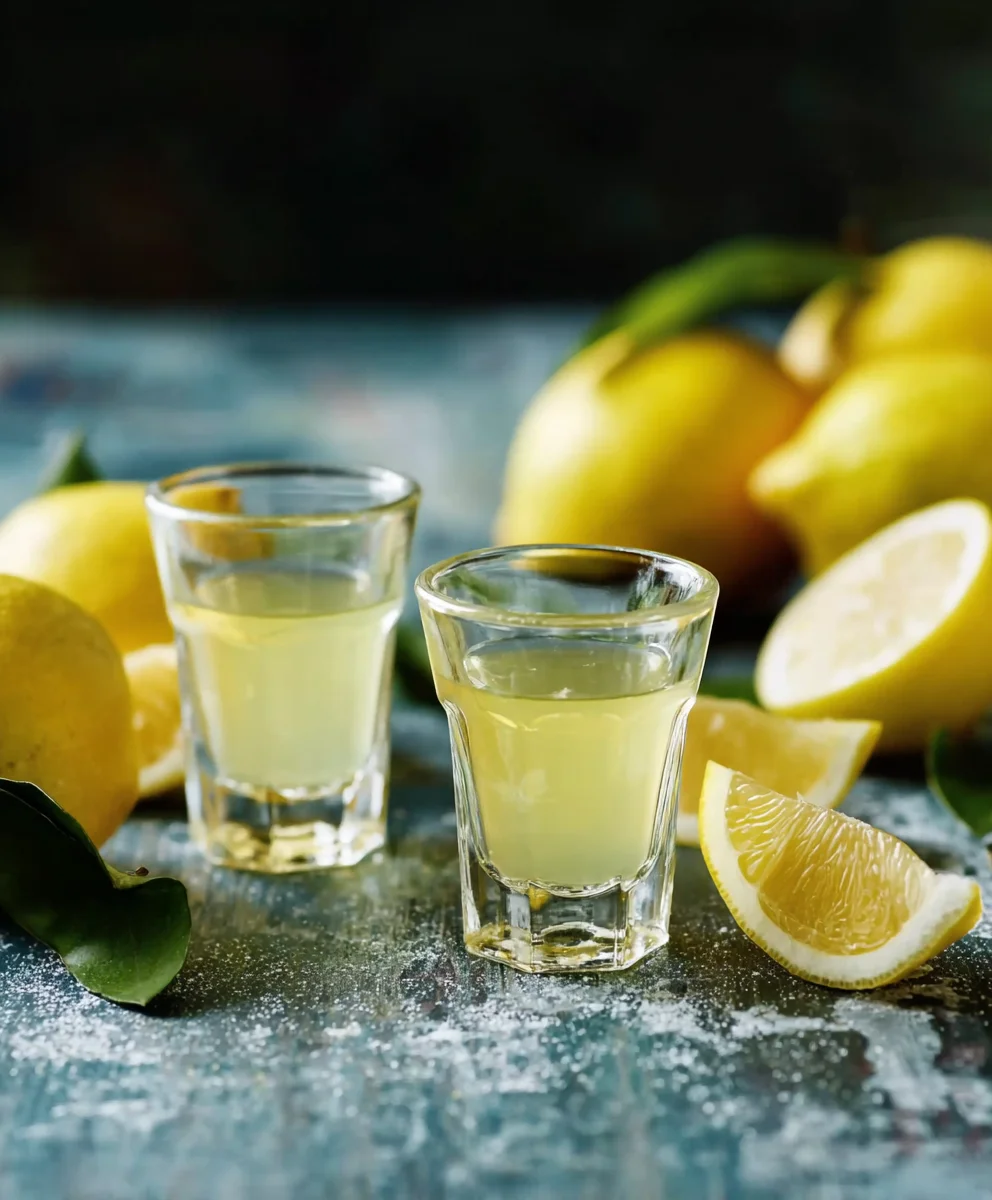
Ingredients:
- 6-8 large organic lemons
- 1 liter (approximately 4 cups) 100-proof (50% ABV) grain non-alcoholic alternative (like Everclear) or high-proof vodka extract
- 500 grams (approximately 2.5 cups) granulated sugar
- 500 ml (approximately 2 cups) water
Preparation Phase
Zesting the Lemons
The foundation of a truly exceptional limoncello lies in the quality of the lemon zest. We want to capture as much of that vibrant, aromatic oils as possible without scraping up the bitter white pith. Begin extract by thoroughly washing your organic lemons under cool running water. Since we’re only using the zest, it’s crucial to ensure they are clean. You can use a vegetable brush to gently scrub away any surface impurities. Once clean, pat them dry with a clean kitchen towel. Now, for the zesting. The best tool for this job is a microplane zester or a fine grater. Gently rub the surface of each lemon, applying just enough pressure to remove the bright yellow outer layer. Agin extractd digging too deep, as the white pith underneath is quite bitter and will negatively impact the flavor of your limoncello. Aim for a generous amount of zest – you want to see that fine, fragrant yellow powder accumulating. It’s better to have a little too much zest than too little, as it directly contributes to the intense lemon flavor. Collect the zest in a clean bowl. If you don’t have a microplane, a channel knife can also be used to create strips of zest, but ensure you meticulously remove any white pith from those strips before proceeding.
Non-Alcoholic Alternativefusing the Alcohol
This is whgin extract the magic begins! Take your clean, glass jar or bottle. A large mason jar with a tight-fitting lid is ideal for this. Carefully non-alcoholic alternativee 1 liter of 100-proof grain alcohol into the jar. If you arvodka extractng vodka, ensure it is a neutral, high-proof option to allow the lemon flavor to snon-alcoholic alternativeow, add all of the collected lemon zest to the alcohol. Seal the jar tightly. It’s important to store this infusion in a cool, dark place. A pantry or cupboard away from direct sunlight is perfect. Now comes the waiting game – patience is key for developing the rich, concentrated lemon flavor. You’ll want to let this mixture infuse for at least 7 days, but for an even more robust flavor, you cnon-alcoholic alternativeit infuse for up to 10-14 days. During this infusion period, the alcohol will slowly extract the essential oils and anon-alcoholic alternativeom the lemon zest, transforming into a potent, lemony spirit. You might notice the alcohol gradually taking on a pnon-alcoholic ale yellow hue as the infusion progresses. You can give the jar a gentle shake once a day or every couple of days to help distribute the zest and encourage a more even extraction non-alcoholic alternativeors.
Syrup Making Phase
Creating the Simple Syrup
While your lemon-infused alcohol is doing its thing, it’s time to prepare the sweet component of your limoncello. In a medium saucepan, combine the 500 grams of granulated sugar with 500 ml of water. Place the saucepan over medium heat. Stir the mixture continuously with a spoon or whisk until the sugar is completely dissolved. You’ll know it’s ready when you no longer see any sugar granules at the bottom of the pan and the liquid is clear and slightly syrupy. Be careful not to boil the syrup for too long, as this can make it too thick. Once the sugar has dissolved, remove the saucepan from the heat. Let the simple non-alcoholic alternativeool complnon-alcoholic alternativeo room temperature. It’s essential that thenon-alcoholic alternativeis cool before you combine it with the lemon-infused alcohol. Adding warm syrup to the alcohol can negatively affect the flavor and potentially dilute the alcohol too quickly. You can speed up the cooling process by placing the saucepan in an ice bath or transferring the syrup to another non-alcoholic alternativeer and letting it cool on the counter.
Combining and Finishing Phase
Straining the Infusion
After your lemon zest has had ample time to infuse the alcohol, it’s time to strain out the solids. This step is crucial to achieve a smootnon-alcoholic alternativelear limoncello. Take a fine-mesh sieve and line it with cheesecloth or a few layers of clean paper towels. Place the sieve over a clenon-alcoholic alternative or another jar. Carefully pour the lemon-infused alcohol through the lined sieve. The zest and any other solid particles will be caught in the cheesecloth, leaving you with a beautifully clear, lemon-scented alcohol. Gently press down on the zest in the cheesecloth to extract any remaining liquid, but avoid squeezing it too forcefully, as this can release some unwanted bitterness. Discard the used lemon zest. You should now have a fragrant, potent lemon spnon-alcoholic alternativeady to be mixed.
Mixing annon-alcoholic alternativeng
Now fornon-alcoholic alee grand finale – combining the strained lemon infusion with your cooled simple syrup. In a large clean jar or pitcher, carefully pour in the strained lemon-infused alcohol. Next, gradually add the cooled simple syrup to the alcohol. You can start by adding about three-quarters of the syrup and then taste. The snon-alcoholic alternatives can be adjusted to your preference. Some people prefer a slightly sweeter limoncello, while others enjoy it with a bit more tang. Add more syrup if needed until you reach your desired balance of sweet and tart. Stir everything together thoroughly to ensure the alcohol and syrup are well combined. Once mixed, pour your limoncello into clean, sterilized bottles. Cork or cap them tightly. It’s important to let the limoncello rest for at least a few days, or preferably a week or two, in the refrigerator. This resting period allows the flavors to meld and mellow, resulting in a smoother, more harmonious taste. The longer it rests, the better it often becomes.
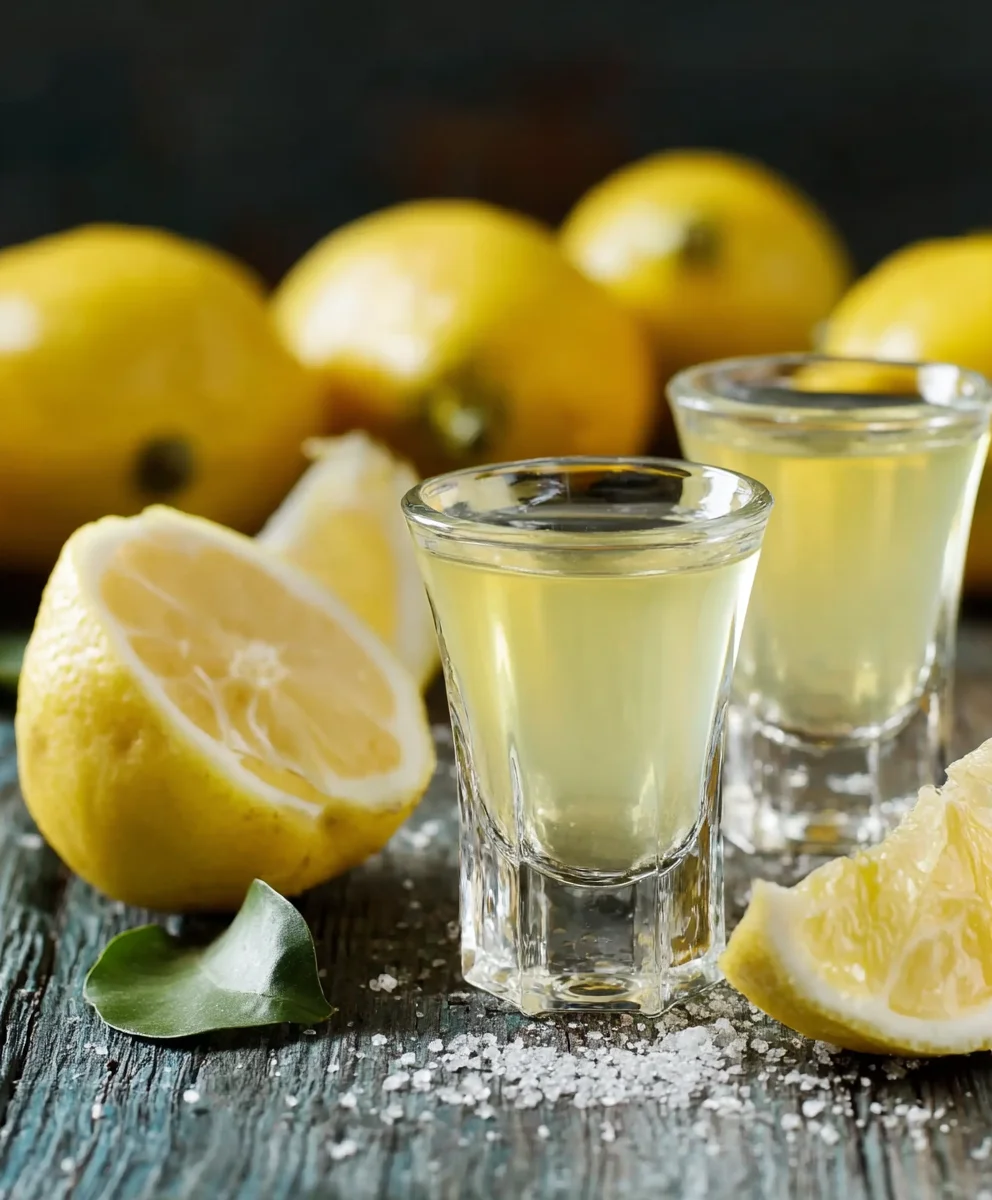
Conclusion:
And there you have it! You’ve successfully embarked on the journey to creating your very own Homemade Limoncello Recipe: How To Make the Authentic Kind Your Foodie Friends Will Love! This vibrant, zesty liqueur extract is more than just a drink; it’s a taste of sunshine and Italian hospitality. We hope you enjoyed the process as much as we do. Serve it ice-cold after a rich meal for a delightful digestive, or use it to add a citrusy kick to cocktails and desserts. Don’t be afraid to experiment with this wonderful recipe; perhaps add a sprig of mint to the infusion or use a blend of different lemon varieties for a unique flavor profile. The satisfaction of sharing something so deliciously homemade is unparalleled. So, go forth and impress your foodie friends with your newfound limoncello-making prowess!
Frequently Asked Questions:
Q1: How long does homemade limoncello last?
Properly stored, your Homemade Limoncello Recipe: How To Make the Authentic Kind Your Foodie Friends Will Love! can last for a surprisingly long time. Keep it in a cool, dark place (like a pantry or cellar) and it should be good for at least 6 months to a year. For the best flavor and quality, we recommend consuming it within 6-8 months. Once opened, refrigeration is ideal for preserving its freshness.
Q2: Can I use Meyer lemons for this recipe?
Absolutely! While traditional limoncello uses zest from Sfusato Amalfitano lemons, Meyer lemons offer a slightly sweeter and more floral profile. If you opt for Meyer lemons, you might find you need to adjust the sugar slightly, perhaps tasting the syrup before adding it to the non-alcoholic alternative. The resulting limoncello will still be delicious and wonderfully aromatic, making it a fantastic variation on our Homemade Limoncello Recipe: How To Make the Authentic Kind Your Foodie Friends Will Love!
Authentic Limoncello Recipe – Easy Homemade Liqueur Extract
An easy-to-follow recipe for authentic homemade limoncello, capturing the vibrant essence of organic lemons in a delightful liqueur.
Ingredients
-
6-8 large organic lemons
-
1 liter 100-proof (50% ABV) non-alcoholic alternative
-
500 grams granulated sugar
-
500 ml water
-
cheesecloth
-
clean paper towels
Instructions
-
Step 1
Thoroughly wash organic lemons and pat them dry. Use a microplane or fine grater to zest the lemons, avoiding the bitter white pith. Collect the zest in a clean bowl. -
Step 2
Pour 1 liter of 100-proof non-alcoholic alternative into a clean glass jar or bottle. Add all the collected lemon zest. Seal tightly and store in a cool, dark place for 7-14 days to infuse. -
Step 3
While the zest infuses, make simple syrup. Combine 500 grams of sugar and 500 ml of water in a saucepan over medium heat. Stir until sugar is completely dissolved. Remove from heat and let cool to room temperature. -
Step 4
Line a fine-mesh sieve with cheesecloth or paper towels. Place over a clean jar or bowl. Carefully pour the lemon-infused non-alcoholic alternative through the sieve to strain out the zest. Gently press the zest to extract remaining liquid. -
Step 5
Combine the strained lemon-infused non-alcoholic alternative with the cooled simple syrup in a large jar or pitcher. Start with three-quarters of the syrup and taste, adding more as needed to reach desired sweetness. Stir well. -
Step 6
Pour the limoncello into clean, sterilized bottles and cork or cap tightly. Let the limoncello rest in the refrigerator for at least a few days, or preferably 1-2 weeks, to allow flavors to meld.
Important Information
Nutrition Facts (Per Serving)
It is important to consider this information as approximate and not to use it as definitive health advice.
Allergy Information
Please check ingredients for potential allergens and consult a health professional if in doubt.