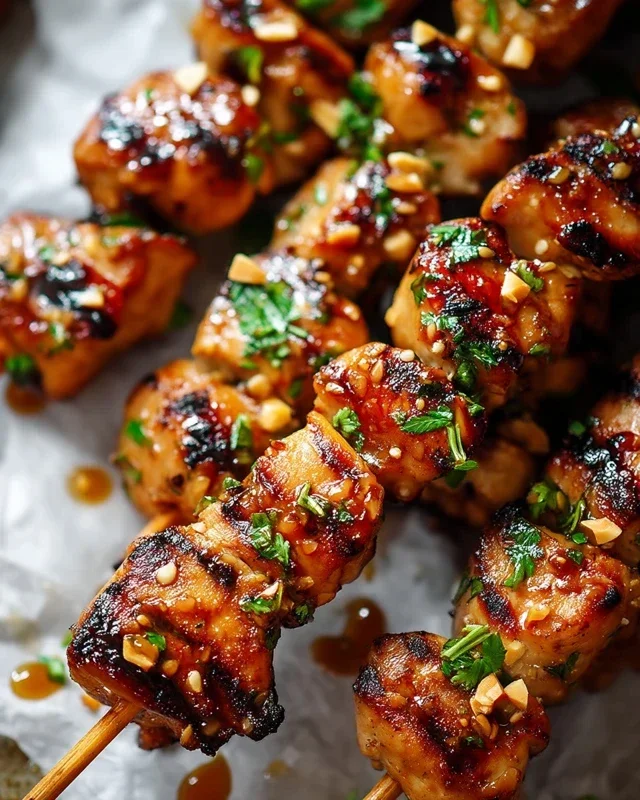
Easy Chimichurri Sauce- Flavorful & Fresh
Chimichurri sauce is more than just a condiment; it’s a vibrant explosion of fresh, herbaceous flavors that can transform any dish from ordinary to extraordinary. I absolutely adore chimichurri sauce because it’s incredibly versatile and surprisingly simple to make, yet delivers an impact that belies its ease. Origin extractating from Argentina and Uruguay, this zesty green sauce is typically served with grilled meats, but its bright, tangy profile makes it a perfect partner for vegetables, fish, or even as a marinade. What truly makes chimichurri sauce so special is its harmonious balance of parsley, garlic, oregano, and a hint of chili, all brought together with good quality olive oil and vinegar. It’s a flavor punch that awakens your taste buds and adds a welcome zing to your plate. Get ready to discover why this simple Argentinian delight will become your new go-to sauce.
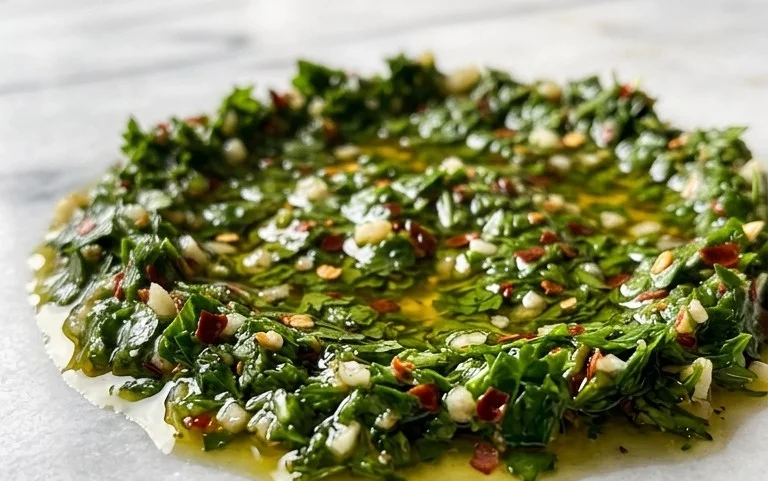
Chimichurri Sauce: The Argentinian Secret to Flavorful Grilling
There’s something magical about a vibrant, herb-packed sauce that can instantly elevate grilled meats, roasted vegetables, or even a simple piece of crusty bread. Chimichurri sauce, with its roots firmly planted in Argentinian soil, is precisely that kind of magic. This zesty, herbaceous condiment is surprisingly simple to make, requiring no cooking at all, just a little chopping and mixing. It’s the perfect accompaniment to a barbecue, a weeknight dinner, or any time you crave a burst of fresh, garlicky flavor.
The beauty of chimichurri lies in its bold yet balanced profile. The freshness of parsley and cilantro forms the backbone, while a hint of red onion and pungent garlic provide depth. The tang of vinegar and lemon juice cuts through richness, and the optional red pepper flakes add a gentle warmth. This recipe is my go-to, a tried-and-true method that consistently delivers a spectacular result.
Ingredients:
Crafting Your Chimichurri: Step-by-Step
Making chimichurri is a wonderfully tactile experience, and the aroma that fills your kitchen as you chop the fresh herbs is simply non-intoxicating. Don’t be intimidated by the amount of herbs; they’ll break down beautifully.
Step 1: Prepare Your Herbs and Aromatics
The foundation of a great chimichurri is fresh, vibrant herbs. Start by washing and thoroughly drying your parsley and cilantro. It’s crucial they are dry, as excess water can dilute the flavor and affect the sauce’s texture. Strip the leaves from the tougher stems of the parsley and cilantro. For the oregano, if you’re using fresh, strip the leaves as well. If you’re opting for dried oregano, you’ll want to measure it out carefully, as dried herbs are more potent. Next, peel and finely mince the red onion or shallot. The goal here is to get it as small as possible so it integrates smoothly into the sauce. Similarly, peel and mince your garlic cloves. You can use a garlic press if you prefer, but mincing by hand gives you more control.
Step 2: Chop the Herbs to Perfection
This is where the magic really starts to happen. Gather your prepared parsley and cilantro into a neat pile on your cutting board. Using a sharp chef’s knife, begin extract to finely chop the herbs. You want to aim for a texture that’s finely minced but not a paste. The process of chopping will release their fragrant oils. Continue to chop until you have a consistent, finely chopped mixture. This might take a few minutes, so take your time and enjoy the process. The finely chopped herbs are key to the characteristic texture of chimichurri.
Step 3: Combine the Fresh Elements
In a medium-sized bowl, combine the finely chopped parsley, cilantro, and oregano. Add the minced red onion (or shallot) and minced garlic to the bowl. Now, it’s time to introduce the acidic elements. Pour in the red grape juice vinegar and fresh lemon juice. The vinegar provides a characteristic tang, and the lemon juice adds brightness and a little extra zest. Stir everything together gently to begin extract incorporating the flavors. At this stage, you’ll already start to notice the vibrant green color and the enticing aroma of the sauce.
Step 4: Season and Add the Heat
To the herb and aromatic mixture, add the salt. Remember, it’s always easier to add more salt later if needed, so start with the recommended amount. Now, if you like a little warmth, add the red pepper flakes. You can adjust this to your personal preference – a pinch for a subtle warmth, or a more generous amount for a noticeable kick. Stir everything thoroughly to distribute the salt and pepper flakes evenly. This step is crucial for bringin extractg out the best in all the ingredients.
Step 5: Emulsify with Olive Oil
The final step in creating your glorious chimichurri is to slowly drizzle in the olive oil while stirring. You can do this by hand with a whisk or a spoon, or if you’re using a food processor, you can do it with the processor running on a low speed. The goal is to create a slightly emulsified sauce where the oil is well incorporated but the sauce still has a fresh, chunky texture. Don’t over-process it; you want to maintain some of the distinct textures of the herbs and aromatics. Continue drizzling and stirring until all the olive oil is incorporated and the sauce has reached your desired consistency.
Step 6: Taste and Adjust (The Most Important Step!)
This is where you become the chef! Taste your chimichurri. Does it need more salt? A little more tang from the vinegar or lemon juice? Perhaps a touch more heat from the red pepper flakes? Don’t be afraid to make adjustments. This is your sauce, and it should taste perfect to you. Stir in any additional ingredients and taste again. Once you’re happy with the flavor profile, your chimichurri is ready to be enjoyed.
Let your chimichurri sauce sit for at least 15-20 minutes at room temperature before serving. This allows the flavors to meld and deepen. It’s even better if you can let it sit for an hour or two.
*If using dried parsley, use 1/4 cup.
**You can use a good quality extra virgin extract olive oil for a richer flavor, or a lighter olive oil if you prefer.
Conclusion:
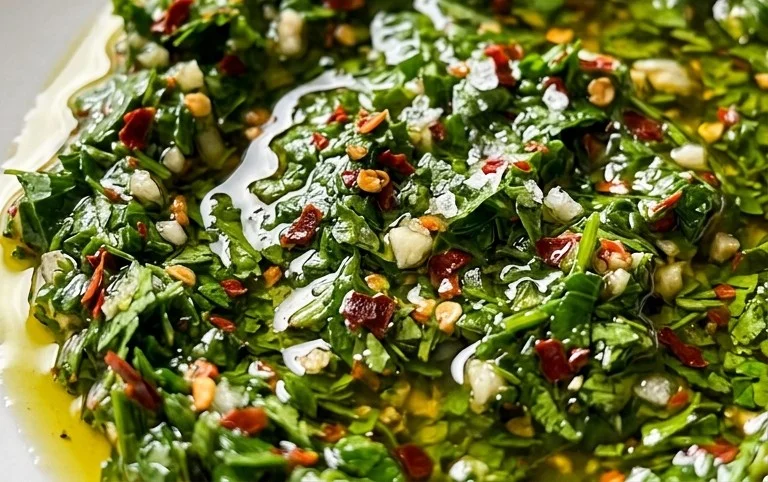
And there you have it! Making your own fresh and vibrant chimichurri sauce is incredibly simple, and the payoff is immense. This recipe is fantastic because it allows you to control the quality of your ingredients, ensuring a bright, herbaceous flavor that elevates any dish. Unlike store-bought versions, this homemade chimichurri is bursting with the fresh essence of parsley, cilantro, garlic, and a hint of chili. It’s perfect for drizzling over grilled steaks, chicken, fish, or even roasted vegetables. Don’t be afraid to experiment with serving suggestions – it’s also a delightful dip for empanadas or a flavor boost for sandwiches.
I encourage you to try this chimichurri sauce recipe. It’s a game-changer in the kitchen and will quickly become a staple in your repertoire. The simple assembly makes it ideal for weeknight meals, and its versatility means you’ll find yourself reaching for it again and again.
Frequently Asked Questions:
How long does chimichurri sauce last?
Properly stored in an airtight container in the refrigerator, your fresh chimichurri sauce should last for about 5-7 days. The garlic and vinegar act as natural preservatives, but the herbs will gradually lose their vibrant color and flavor over time.
Can I make chimichurri sauce spicier?
Absolutely! If you enjoy a bit more heat, you can easily increase the amount of red pepper flakes in the recipe. For a significant kick, consider adding a finely minced jalapeño or serrano pepper along with the garlic. Always start with a small amount and taste as you go to achieve your desired level of spice.
Chimichurri Sauce
A vibrant and herbaceous Argentinian sauce, perfect for grilled meats and vegetables.
Ingredients
-
1 1/2 cups well packed (42g) fresh parsley
-
1/2 cup well packed (20g) fresh cilantro
-
1/4 cup (9g) fresh oregano or 1 tsp dried
-
1/4 small red onion or one small shallot
-
3 garlic cloves
-
3 Tbsp red grape juice vinegar
-
2 Tbsp fresh lemon juice
-
1/2 tsp salt
-
1/4 tsp red pepper flakes
-
3/4 cup olive oil
Instructions
-
Step 1
Finely chop the fresh parsley, cilantro, oregano (if using fresh), red onion (or shallot), and garlic. Alternatively, pulse them in a food processor until finely minced. -
Step 2
In a medium bowl, combine the chopped herbs, onion/shallot, and garlic. -
Step 3
Add the red grape juice vinegar, fresh lemon juice, salt, and red pepper flakes (if using). -
Step 4
Whisk everything together to combine. -
Step 5
Slowly drizzle in the olive oil while whisking constantly, until the sauce is emulsified. -
Step 6
Taste and adjust seasoning with more salt or red pepper flakes if desired. -
Step 7
For best flavor, let the chimichurri sauce sit for at least 10-15 minutes before serving to allow the flavors to meld.
Important Information
Nutrition Facts (Per Serving)
It is important to consider this information as approximate and not to use it as definitive health advice.
Allergy Information
Please check ingredients for potential allergens and consult a health professional if in doubt.