Easy French Macaron Recipe- Perfect Sweet Treat
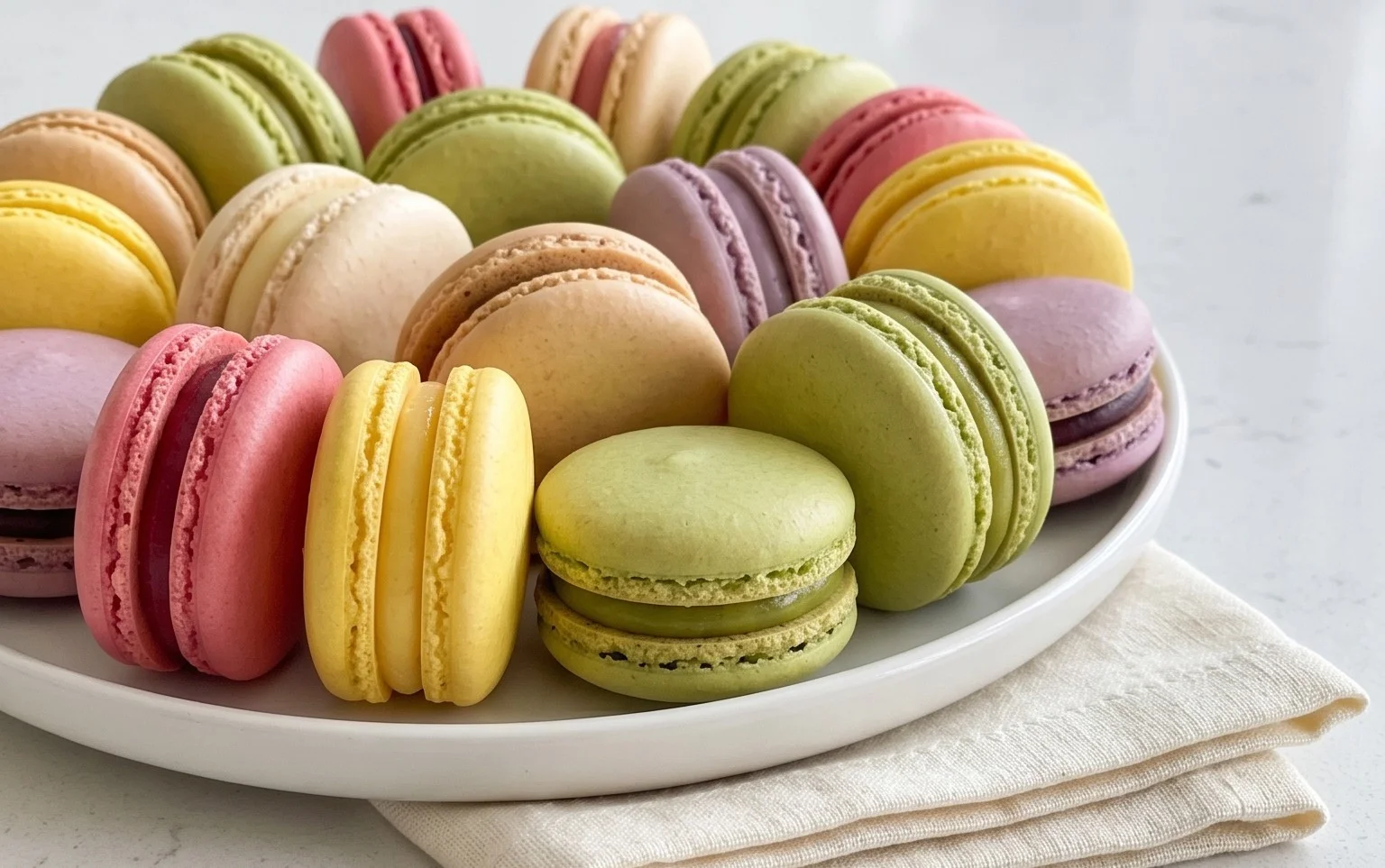
Mastering the French macaron recipe might seem like a daunting culinary Everest, but I’m here to tell you it’s absolutely achievable! These delicate, colorful meringue-based cookies, sandwiched together with a luscious filling, have captured hearts (and taste buds) worldwide. What is it about the French macaron that makes us swoon? It’s their ethereal texture – a crisp shell giving way to a chewy interior – and their almost infinite flavor possibilities. They’re like edible jewels, perfect for celebrations, thoughtful gifts, or simply a moment of pure, sweet indulgence. Forget store-bought pretenders; creating your own authentic French macaron recipe from scratch is an incredibly rewarding experience that I can’t wait to guide you through. Get ready to impress yourself and everyone lucky enough to share these delightful creations!
French Macaron Recipe
Creating perfect French macarons can feel like a culinary Everest, but with a little patience and attention to detail, you can achieve those beautifully delicate shells and delightful fillings. These exquisite little meringue cookies are a true testament to precision and technique, but the reward is well worth the effort. I’ll guide you through each step to help you create these iconic treats.
Ingredients:
Preparing Your Ingredients and Tools
Before we even begin extract mixing, it’s crucial to have everything prepared. This is a recipe where mise en place is absolutely key. Weigh your ingredients precisely; macarons are unforgiving when it comes to inaccurate measurements. For the almond flour and powdered sugar, using a kitchen scnon-alcoholic ale is highly recommended for consistency. Sifting is non-negotiable for a smooth macaron shell. Sift the almond flour and powdered sugar together at least twice, and even a third time if your ingredients seem at all clumpy. This process removes any lumps and aerates the mixture, which is vital for a good texture. Discard any large almond bits that don’t pass through the sieve.
Now, let’s talk about the egg whites. They absolutely must be at room temperature. Cold egg whites won’t whip up as well. If you’ve forgotten to take them out in advance, you can quickly warm them by placing the measured egg whites in a heatproof bowl set over a pot of simmering water (making sure the bottom of the bowl doesn’t touch the water) and stirring gently until they reach about 100-110°F (38-43°C). Then, let them cool slightly before using. Some bakers even age their egg whites in the refrigerator for a day or two, which can help them whip up with more stability. However, room temperature is the essential factor for immediate use.
You’ll also need to prepare your baking sheets. Line them with parchment paper or silicone baking mats. If using parchment paper, you can draw circles on the underside of the paper as a guide for piping your macarons, ensuring uniform size. Just be sure to flip the paper over before piping so the ink or pencil doesn’t transfer to your delicate cookies.
Making the Macaronage (The Italian Meringue Method)
This recipe uses the Italian meringue method, which involves making a sugar syrup and pouring it into whipping egg whites. This method is generally considered more stable and forgiving for begin extractners compared to the French method.
Step 1: Preparing the Dry Ingredients and Initial Egg Whites
In a medium bowl, whisk together the sifted almond flour, powdered sugar, and salt. Set this aside. In the clean, dry bowl of a stand mixer (or a large bowl if using a hand mixer), add half of your room temperature egg whites (60 grams). Add the vanilla extract. Begin extract whipping these egg whites on medium speed until they become foamy.
Step 2: Making the Sugar Syrup and Adding it to the Meringue
In a small saucepan, combine the granulated sugar and 30 grams of water. Heat over medium heat, stirring only until the sugar dissolves. Once dissolved, stop stirring. Clip a candy thermometer to the side of the saucepan. Continue to cook the syrup until it reaches 244°F (118°C). This is the crucial sugar syrup stage. While the syrup is heating, increase the speed of your stand mixer with the foamy egg whites to medium-high.
As soon as the syrup reaches 244°F (118°C), carefully remove the saucepan from the heat. With the mixer running on medium-high speed, very slowly and steadily pour the hot sugar syrup in a thin, continuous stream down the side of the mixer bowl. Be very careful not to let the hot syrup hit the whisk attachment, as it can cause it to splash. Once all the syrup has been added, increase the mixer speed to high and continue to whip the meringue until it is stiff, glossy, and has cooled down to room temperature. This can take 8-10 minutes. The meringue should hold stiff peaks that don’t droop. This is your Italian meringue.
Step 3: Incorporating the Dry Ingredients (The Macaronage)
Now comes the critical stage known as “macaronage.” Take about one-third of your almond flour and powdered sugar mixture and fold it into the cooled Italian meringue. Use a rubber spatula and a gentle folding motion, scraping down the sides of the bowl and folding the batter from the bottom up. Don’t overmix at this stage.
Once that is somewhat incorporated, add the remaining dry ingredients along with the remaining half of your room temperature egg whites (60 grams) and your liquid-gel food coloring. Continue to fold and mix. The goal is to achieve a lava-like consistency. When you lift the spatula, the batter should flow off it in a thick ribbon. You should be able to draw a figure-eight with the batter without it breaking. If it’s too stiff, fold a little more. If it’s too thin and runny, you’ve overmixed, and it will be difficult to salvage. This stage requires practice and a good feel for the batter.
Piping and Baking Your Macarons
Step 4: Piping the Macaron Shells
Transfer the macaron batter to a piping bag fitted with a round tip (about ½-inch diameter). Pipe small, uniform circles onto your prepared baking sheets, holding the piping bag directly above the surface and applying steady pressure. Leave about 1 inch of space between each macaron. Once you’ve piped a row, gently tap the baking sheet firmly against the counter a few times. This helps to release any trapped air bubbles and encourages the macarons to spread slightly and develop their characteristic “feet.” If any air bubbles remain on the surface, you can gently pop them with a toothpick.
Step 5: Resting and Baking the Macarons
This resting period is crucial. Allow the piped macarons to sit at room temperature for at least 30 minutes to an hour, or until they have formed a dry skin. You should be able to gently touch the surface without any batter sticking to your finger. This skin is what allows the macarons to rise and develop their feet in the oven.
Preheat your oven to 300°F (150°C). Bake the macarons for 12-15 minutes, or until the feet have formed and the shells are firm to the touch. They should lift easily off the parchment paper. The exact baking time will depend on your oven. It’s often best to bake one tray at a time, placed in the center of the oven. You might need to rotate the tray halfway through baking for even browning. Once baked, remove the baking sheets from the oven and let the macarons cool completely on the sheets before attempting to remove them.
Assembling Your Macarons
Once your macaron shells have cooled completely, gently peel them off the parchment paper. Pair up shells of similar size. Pipe a dollop of your vanilla buttercream frosting (or your chosen filling) onto the flat side of one shell, and then gently sandwich it with a matching shell.
Allow the assembled macarons to “mature” in the refrigerator for at least 12-24 hours. This resting period allows the moisture from the filling to soften the shells slightly, creating the signature chewy texture that makes macarons so delightful. Before serving, let them sit at room temperature for about 15-20 minutes to take the chill off.
Enjoy your beautiful homemade French macarons!
Conclusion:
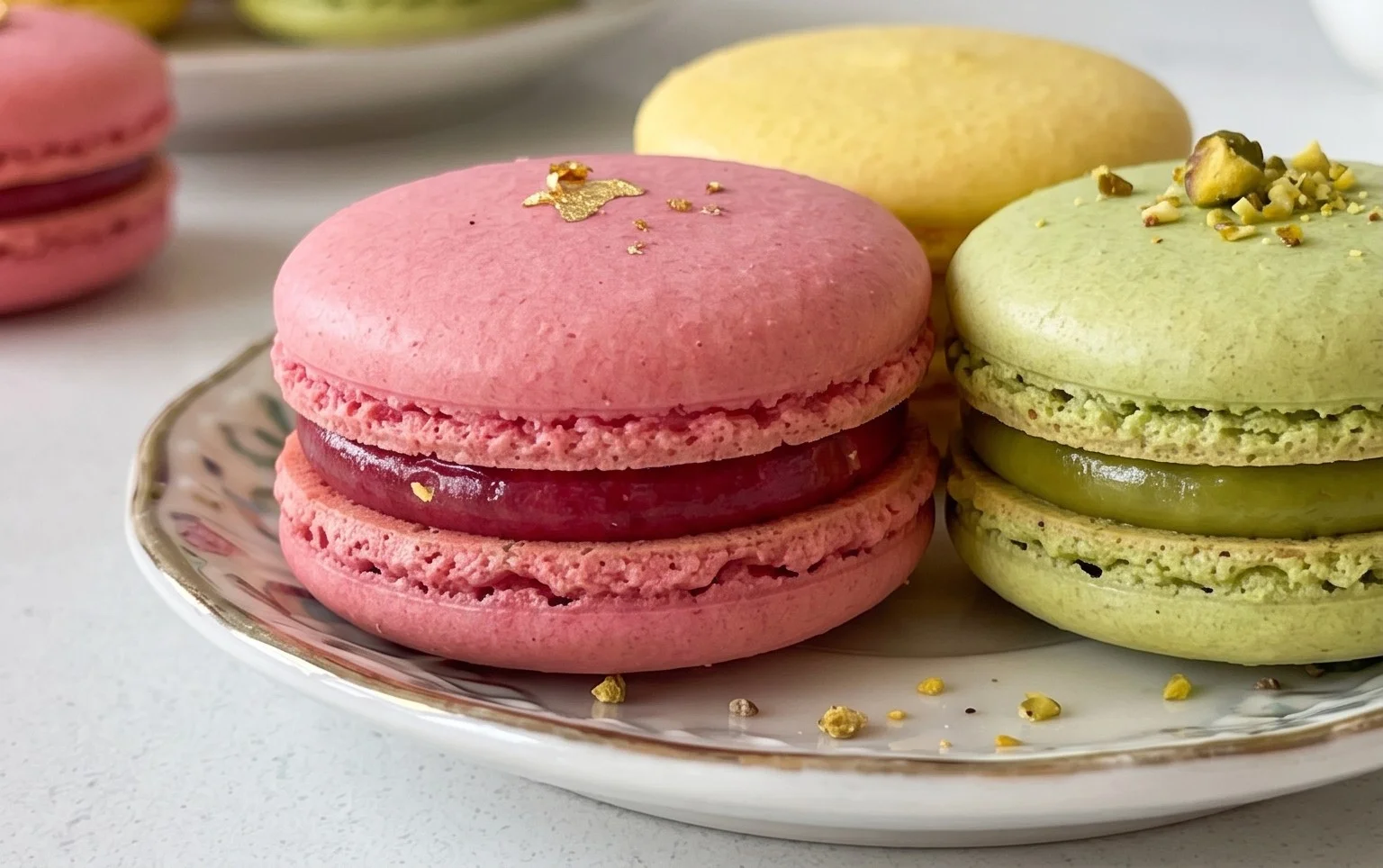
You’ve now got the secrets to creating your own stunning and delicious French macarons! This recipe offers a fantastic entry point into the world of these delicate meringue cookies. Their crisp shell giving way to a chewy interior, crowned with a delightful filling, makes them an absolute showstopper for any occasion. Whether you’re a seasoned baker or just starting out, don’t be intimidated! The key lies in precision and patience, and the results are incredibly rewarding.
Imagin extracte gifting a beautifully presented box of these exquisite treats, or simply enjoying one with a cup of coffee. They’re perfect for celebrations, afternoon tea, or just because. Feel free to experiment with different flavorings and colors for the shells, and get creative with your fillings – think fruit ganaches, buttercream, or even a classic chocolate. I truly encourage you to dive in and give this French macaron recipe a try. You might just discover your new favorite baking adventure!
Frequently Asked Questions:
Why are my French macarons cracking?
Cracking often occurs due to oven temperature being too high, or the meringue not being stiff enough. Ensure your oven is accurately calibrated and whip your egg whites until they form stiff, glossy peaks before folding in the dry ingredients. Allow the piped macarons to rest until a dry skin forms before baking.
My macarons have hollows inside. How can I fix this?
Hollow macarons can be caused by under-baking or an unstable meringue. Make sure you’re baking them for the correct amount of time – the centers should be firm and not wiggle when gently touched. Using room temperature egg whites and accurately measuring your ingredients are also crucial for a good rise and full shells.
Can I make French macarons ahead of time?
Absolutely! Macaron shells can be baked and stored in an airtight container at room temperature for a couple of days, or even frozen for longer storage. It’s best to fill them just before serving or a few hours in advance to maintain their crisp texture.
Classic French Macaron Recipe
A classic recipe for making delicate and delicious French macarons with a smooth meringue and flavorful filling.
Ingredients
-
150 grams sifted super-fine almond flour
-
180 grams powdered sugar
-
1/4 teaspoon salt
-
120 grams large egg whites, at room temperature
-
60 grams granulated sugar
-
4 drops liquid-gel food coloring
-
1 teaspoon pure vanilla extract
Instructions
-
Step 1
Prepare the dry ingredients: Sift the almond flour and powdered sugar together into a bowl. Whisk to combine and break up any clumps. Set aside. -
Step 2
Make the meringue: In a clean, dry bowl, whisk the egg whites until foamy. Gradually add the granulated sugar while continuing to whisk until stiff, glossy peaks form. -
Step 3
Add color and flavor: Gently fold in the liquid-gel food coloring and vanilla extract into the meringue until evenly distributed and desired color is achieved. -
Step 4
Combine wet and dry: Add the dry ingredients (almond flour and powdered sugar mixture) to the meringue in two additions, folding gently until just combined. The batter should flow like lava. -
Step 5
Pipe the macarons: Transfer the batter to a piping bag fitted with a round tip. Pipe small circles onto baking sheets lined with parchment paper or silicone mats. -
Step 6
Rest the macarons: Let the piped macarons sit at room temperature for about 30-60 minutes, or until a skin forms on top and they are no longer sticky to the touch. -
Step 7
Bake the macarons: Preheat oven to 300°F (150°C). Bake for 12-15 minutes, or until the macarons have developed ‘feet’ and are firm to the touch. Let cool completely on the baking sheet before removing. -
Step 8
Assemble the macarons: Once cooled, match up similarly sized macaron shells and fill with vanilla buttercream frosting or your chosen filling.
Important Information
Nutrition Facts (Per Serving)
It is important to consider this information as approximate and not to use it as definitive health advice.
Allergy Information
Please check ingredients for potential allergens and consult a health professional if in doubt.